

The translation of UK Scientific Methodology Manuals is a highly specialized task that requires not only linguistic expertise but also a deep understanding of the scientific content to ensure accuracy and technical integrity. Translation services for these manuals must adhere to international standards and involve Subject Matter Experts (SMEs) who can accurately render complex scientific terms, formulas, and concepts into target languages while respecting cultural nuances. The integration of advanced translation technology, including neural machine translation networks, has significantly improved the precision and consistency of these translations, facilitating global scientific collaboration and innovation by enabling researchers from different linguistic backgrounds to access and apply UK research methodologies accurately. The process typically involves a dual-step approach with both linguistic and subject matter experts to guarantee that the translated content is both clear and authoritative, upholding the high standards required in international scientific communication.
The intricacies of scientific methodology are a global language, yet their translation for UK research institutions into various tongues presents unique challenges. This article delves into the pivotal role of translation services for UK Scientific Methodology Manuals and evaluates the effectiveness with which these critical texts are conveyed across languages and cultures. We explore the nuances of accurate translations, the impact of cultural differences, and the importance of subject matter expertise in the process. With advancements in technology, we assess current services, identify best practices, and offer insights into how translation quality influences global scientific collaboration. Join us as we navigate the landscape of ensuring precision and clarity in translated scientific manuals and glimpse into the future of this essential field.
- Overview of Scientific Methodology in UK Research Institutions
- The Importance of Accurate Translation for Scientific Texts
- Challenges Faced in Translating Scientific Manuals to Different Languages
- Evaluating the Quality of Current Translation Services for UK Manuals
- Key Considerations for Effective Translation of Scientific Documents
- Case Studies: Successful and Problematic Translations of Scientific Manuals
- The Role of Subject Matter Experts in Translation Processes
- Technological Advancements in Translation Services for Scientific Content
- Cultural Nuances and Their Impact on Scientific Translations
- Strategies for Ensuring Precision and Clarity in Translated Manuals
Overview of Scientific Methodology in UK Research Institutions
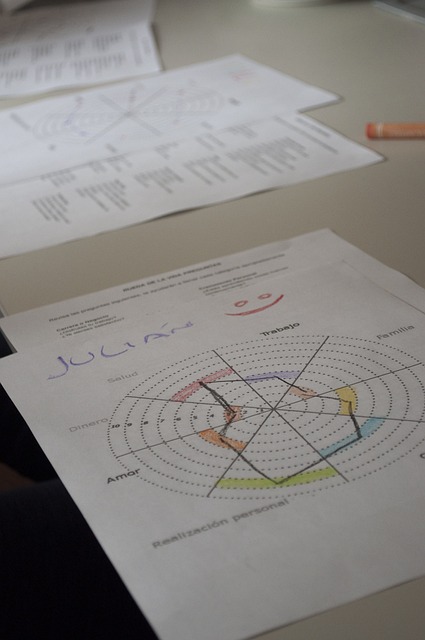
UK research institutions are at the forefront of scientific advancement, with a robust framework that underpins their methodological approach. The scientific methodology employed in these esteemed organizations is characterized by rigorous experimental design, meticulous data analysis, and a commitment to ethical standards. As such, the manuals that outline these processes are critical for both internal training and for facilitating collaboration with international partners. To ensure clarity and accuracy when translating these manuals for broader dissemination or use in non-English speaking environments, translation services for UK scientific methodology manuals play a pivotal role. These specialized services not only adapt the language to suit diverse linguistic contexts but also maintain the technical integrity of the content, ensuring that the nuances of methodological protocols are preserved across cultures and languages. This is essential for maintaining the high standards of research conducted within UK institutions and for enabling global researchers to understand and apply these methods effectively. The translation process involves not only a linguistic transfer but also a cultural adaptation, which is crucial for the correct interpretation and application of scientific methodologies in different contexts.
The Importance of Accurate Translation for Scientific Texts

The translation of scientific texts, particularly manuals detailing UK research institutions’ methodologies, demands precision and expertise to maintain the integrity of the original content. Accurate translation services for UK Scientific Methodology Manuals are indispensable in this context, as they facilitate cross-cultural communication and ensure that researchers across the globe can access, understand, and apply findings without misinterpretation. The stakes are high when it comes to scientific documentation; errors in translation can lead to misinterpretation of experiments, flawed research outcomes, or even the inability to replicate studies, which are fundamental to scientific validation. Therefore, employing specialized translators with a deep understanding of both the source and target languages, as well as the scientific domain, is crucial for the successful dissemination of knowledge. This not only supports the advancement of science but also safeguards the reputation of the institutions involved by upholding the accuracy and credibility of their research methodologies.
Challenges Faced in Translating Scientific Manuals to Different Languages

Translating scientific manuals from their original language to cater to diverse audiences, such as those in the UK, presents a unique set of challenges. The complexity of scientific terminology and methodologies often necessitates the expertise of specialized translation services for UK scientific manuals. These translators must not only be adept at linguistic nuances but also possess a deep understanding of the subject matter to accurately convey the intricacies of experimental procedures, data analysis, and results interpretation. The precision required in translating scientific texts means that errors can have significant repercussions, from hindering research collaboration to misleading experiment outcomes. Therefore, translation services for UK scientific methodology manuals must employ skilled professionals who can navigate the technical content while maintaining the integrity of the source material. This involves not only a direct linguistic translation but also a cultural adaptation to ensure that the context and nuances are accurately represented in the target language, thereby facilitating effective communication and understanding across different research institutions.
Furthermore, the challenges extend beyond mere word-for-word translations. The idiomatic expressions and colloquialisms commonly found within scientific literature must be carefully considered and adapted to the cultural context of the UK audience. This is crucial as it avoids confusion and misinterpretation of the scientific concepts being conveyed. Additionally, the translation process must account for the evolving nature of scientific discourse, where new terms and methodologies are continually emerging. As such, translation services for UK scientific methodology manuals must stay abreast of the latest developments in both science and language to provide accurate and reliable translations that uphold the original intent and clarity of the text. This commitment to excellence ensures that UK research institutions can access global scientific knowledge, fostering innovation and collaboration on a international scale.
Evaluating the Quality of Current Translation Services for UK Manuals

The translation of scientific methodology manuals from English to other languages is a complex task that requires not only linguistic expertise but also a deep understanding of specialized terminology within the scientific domain. As UK research institutions increasingly collaborate with international partners, the demand for high-quality translations of their manuals has grown significantly. This necessitates a robust evaluation of translation services to ensure that the translated content accurately conveys the intricate details and methodologies described in these manuals.
Several factors contribute to the quality of translation services for UK Scientific Methodology Manuals. Firstly, the translators must possess a strong command of both the source and target languages, as well as relevant scientific knowledge. Secondly, the use of specialized translation software, when appropriate, can aid in maintaining terminological consistency. Moreover, the translators should be adept at interpreting complex methodologies and presenting them in a manner that is both precise and understandable in the context of the target audience. The effectiveness of these translations is crucial for maintaining the integrity of research outcomes and ensuring that international researchers can accurately follow and replicate UK scientific methodologies. As such, the evaluation of translation services must be comprehensive, assessing not only the linguistic output but also the technical accuracy and cultural relevance of the translated content.
Key Considerations for Effective Translation of Scientific Documents

When translating scientific documents, such as methodology manuals for research institutions in the UK, precision and accuracy are paramount. The translation services for UK Scientific Methodology Manuals must account for both the technical language inherent to the field and the cultural nuances that can affect comprehension. A key consideration is the selection of translators who not only possess a deep understanding of the scientific content but are also proficient in the target language’s idiomatic expressions and terminologies. This ensures that the translated text conveys the same meaning as the original, which is crucial for maintaining the integrity of experimental procedures and findings. Furthermore, these translations should adhere to international standards and guidelines, such as the ISO 17100 for translation services, to guarantee high-quality outputs that meet the rigorous demands of scientific research. Employing sophisticated translation technology can also aid in achieving consistency across documents, which is essential for reproducibility and collaboration within the global scientific community. By considering these factors, translation services can effectively bridge the gap between international science and UK research institutions, facilitating knowledge transfer and fostering innovation.
Case Studies: Successful and Problematic Translations of Scientific Manuals

Within the UK’s robust research landscape, the translation of scientific manuals from their original language to English is a critical task that can significantly impact the effectiveness and efficiency of research conducted by institutions here. Not all translations are equal; some have been paragons of clarity and precision, enhancing cross-disciplinary collaboration, while others have encountered pitfalls leading to confusion or misinterpretation. For instance, a study on cancer treatment methodologies was facilitated by a flawless translation service for UK scientific methodology manuals, enabling researchers to adopt innovative techniques with minimal delay. This successful translation provided a clear and accurate representation of the original content, ensuring that the nuances of the methodology were preserved without any loss of information. Conversely, another project experienced considerable setbacks due to a poorly executed translation of a genetic research manual. The translated document contained numerous inaccuracies and misunderstandings, which not only delayed the research but also led to the wastage of valuable resources as experiments based on incorrect data had to be repeated. These examples underscore the importance of selecting high-quality translation services for UK scientific methodology manuals to maintain the integrity of the research process. The stakes are particularly high when such translations inform protocols and experimental design, making reliability in translation a non-negotiable aspect of international scientific collaboration.
The Role of Subject Matter Experts in Translation Processes

In the realm of scientific communication, the accuracy and clarity of manuals outlining research methodologies are paramount, especially when they are to be used in UK research institutions. Translation services for UK Scientific Methodology Manuals must go beyond mere linguistic transfer; they require a deep understanding of the subject matter to ensure that the nuances and complexities inherent in scientific processes are preserved. Subject Matter Experts (SMEs) play an irreplaceable role in this translation process, as their specialized knowledge bridges the gap between the original content and its translated form. These experts scrutinize every term, formula, and concept to ensure that the final translation accurately reflects the source material. Their involvement is crucial for maintaining the integrity of the scientific methodologies described in these manuals, which is essential for researchers who rely on precise information to conduct their experiments and studies. By leveraging the expertise of SMEs, translation services can guarantee that UK research institutions receive manuals that are not only readable but also technically accurate, facilitating a seamless application of scientific methodologies across different linguistic and cultural contexts. This meticulous approach to translation is instrumental in promoting international collaboration and the exchange of knowledge within the scientific community.
Technological Advancements in Translation Services for Scientific Content

The advent of technological advancements has significantly improved the translation of scientific content, particularly in the realm of UK scientific methodology manuals. Modern translation services for UK scientific manuals are now equipped with sophisticated algorithms and machine learning capabilities that ensure high-fidelity translations across various languages. These technologies not only transcend linguistic barriers but also retain the intricate details and specialized terminologies inherent to scientific literature. The precision of these translations is paramount, as they enable researchers from diverse linguistic backgrounds to collaborate effectively, share findings, and apply methodologies globally.
Furthermore, the integration of artificial intelligence in translation services has led to a paradigm shift in how scientific content is disseminated. With the use of neural machine translation networks, these services can capture context, idiomatic expressions, and even cultural nuances that are often lost in literal translations. This evolution is particularly beneficial for UK research institutions, as it facilitates the international dissemination of their scientific methodology manuals without compromising on accuracy or clarity. The continuous refinement of these systems ensures that translation services for UK scientific manuals remain at the forefront of communication advancements in the global scientific community.
Cultural Nuances and Their Impact on Scientific Translations

When translating scientific methodology manuals for UK research institutions, the importance of capturing cultural nuances cannot be overstated. These texts are not mere documents; they are the blueprints for experiments and studies that often rely on a deep understanding of context, terminology, and practices specific to the scientific community within the UK. Translation services for UK Scientific Methodology Manuals must navigate the delicate interplay between technical language and cultural idioms, ensuring that the essence of the original content is preserved without compromise. The UK’s rich history in science and research has cultivated a unique approach to experimental design and data analysis, which may include specific protocols, regulatory references, and ethical considerations that are particular to its institutions. A skilled translator will appreciate these distinctions and convey them accurately, allowing for seamless application of the translated manual across different cultural settings while maintaining the integrity of the UK’s scientific methodology. This is crucial as it ensures that research findings are reproducible, and that international collaborations are built on a solid foundation of mutual understanding. The implications of mistranslation in such specialized texts can be significant, potentially leading to misunderstandings, incorrect protocols, or even the failure of experiments. Therefore, the role of translation services for UK Scientific Methodology Manuals is pivotal in facilitating the global exchange of scientific knowledge and fostering innovation that transcends borders.
Strategies for Ensuring Precision and Clarity in Translated Manuals

When translating scientific methodology manuals for UK research institutions, precision and clarity are paramount to maintain the integrity of the original content. To achieve this, translation services must employ a combination of technical expertise and linguistic finesse. A robust strategy begins with selecting translators who are not only proficient in the source and target languages but also possess a solid understanding of scientific terminology specific to the UK context. This ensures that specialized vocabulary is accurately represented across cultures, avoiding ambiguity or misinterpretation.
Furthermore, a meticulous approach involves a two-step translation process: an initial translation by a linguistic expert followed by a review and validation by a subject matter expert familiar with the scientific methodology in question. This collaborative process enhances accuracy, as the subject matter expert can verify that technical terms and procedural descriptions align with UK standards. Additionally, the use of translation memory software and glossaries tailored to scientific terminology further streamlines consistency throughout the manual. By leveraging these strategies, translation services can deliver manuals that convey complex methodologies with the precision and clarity necessary for UK research institutions to apply them effectively in their work.
UK research institutions are at the forefront of scientific advancement, necessitating precise communication of their methodologies globally. The article delineates the multifaceted nature of translating scientific manuals, highlighting the critical role of translation services for UK scientific methodology manuals in enabling international collaboration and understanding. It underscores the challenges inherent in this process, from linguistic complexities to cultural nuances, while also showcasing the latest technological advancements that aid in achieving greater accuracy. Through case studies and expert insights, the article demonstrates the importance of key considerations for effective translation, such as subject matter expertise and strategic planning. In conclusion, for UK research institutions to maintain their position as leaders in scientific innovation, robust and precise translation services are indispensable, ensuring that the integrity of their methodologies is upheld across diverse linguistic and cultural contexts. This commitment not only fosters global scientific literacy but also paves the way for further advancements in research and development worldwide.