

The examination of UK research professionals' role in creating methodology manuals highlights the necessity for clarity and precision within these documents to ensure they are globally understandable. These manuals, which detail scientific processes, undergo a strategic evaluation by professional translators specializing in UK Scientific Methodology Manuals from dedicated translation services. These experts not only have linguistic prowess but also a deep understanding of scientific terminology, which is crucial for accurately conveying complex information across languages without losing the original content's integrity. The process identifies ambiguities or complex phrases to improve readability and comprehensibility, pinpointing areas that require refinement. This early consideration of translation challenges allows UK research professionals to make their methodology manuals more comprehensible in different languages and cultural contexts, enhancing international scientific communication standards.
The UK's scientific community relies on precise documentation for its complex methodologies, and translation services are key to this process, especially in global projects or collaborations. These services ensure that UK Scientific Methodology Manuals are accurately translated into multiple languages, enabling clear communication among diverse teams. The precision of these translations is critical for capturing the technical nuances in scientific language, reducing potential misinterpretations, and fostering effective global research collaboration. Professionally translated manuals not only preserve the integrity of research results but also extend the reach of UK science, underscoring the importance of clear scientific documentation for maintaining international standards of excellence and promoting innovation across borders.
To ensure clarity and accuracy in scientific communication, UK researchers are encouraged to adhere to best practices that include utilizing translation services for UK Scientific Methodology Manuals. These services are pivotal in accurately translating methodologies into various languages while retaining the context and nuances necessary for international understanding. The inclusion of visual aids and plain language further enhances the accessibility of these manuals, making them valuable resources for both domestic and international researchers. This commitment to clear and transparent documentation upholds the integrity of the research process and accelerates collective scientific progress.
Navigating the complexities of scientific research requires unambiguous methodological guidance. This article critically examines the clarity of UK scientific methodology manuals, with a focus on how professional translators assess these texts. It explores the pivotal role of translation services in standardizing scientific communication across borders and delves into the unique challenges and solutions inherent in translating UK research methodologies for diverse global audiences. Furthermore, it provides insights into best practices for authors to ensure their scientific manuals are both precise and clear, thereby facilitating effective cross-cultural communication and fostering a more cohesive international research environment.
- Assessing Clarity in UK Scientific Methodology Manuals Through the Lens of Professional Translators
- The Role of Translation Services in Standardizing Scientific Communication
- Challenges and Solutions in Translating UK Research Methodologies for Global Audiences
- Enhancing Methodological Precision: Best Practices for Authoring Clear Scientific Manuals
Assessing Clarity in UK Scientific Methodology Manuals Through the Lens of Professional Translators
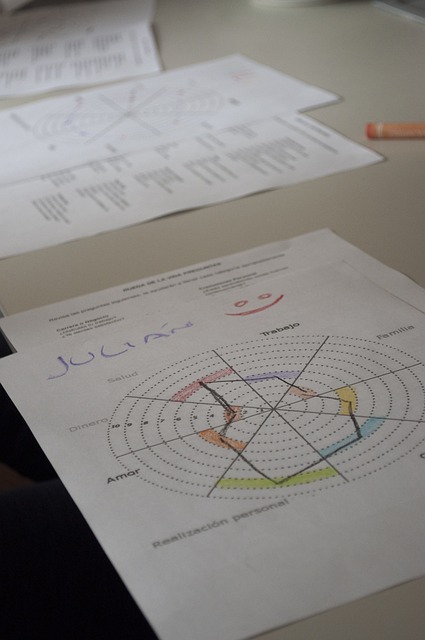
UK research professionals are tasked with meticulously crafting methodology manuals that convey complex scientific processes with precision and clarity. A pivotal aspect in achieving this is ensuring that the texts can be accurately translated, as these documents often reach a global audience. To evaluate the clarity of UK scientific methodology manuals, enlisting professional translators to assess their readability is a strategic approach. These experts not only bring linguistic finesse but also an understanding of scientific terminology, which is crucial for translating nuances and maintaining the integrity of the original content. The process involves translators from translation services for UK Scientific Methodology Manuals applying their expertise to identify any ambiguities or complexities that could hinder effective communication. This evaluation is instrumental in highlighting areas where manual authors can improve clarity, thereby enhancing the global comprehension and usability of these critical documents. By adopting a translator’s perspective, UK research professionals can refine their methodology manuals to ensure they are accessible across different languages and cultural contexts, ultimately elevating the standards of scientific communication internationally.
The Role of Translation Services in Standardizing Scientific Communication

In the dynamic realm of scientific research, clarity and precision are paramount. The UK’s research professionals engage in complex methodologies that require meticulous documentation to ensure consistency and accuracy across disciplines. Translation services play a pivotal role in this process, particularly for those working on international projects or collaborating with global partners. These services facilitate the translation of UK Scientific Methodology Manuals into various languages, thereby standardizing scientific communication and enhancing understanding among diverse teams. The linguistic expertise provided by these translation services ensures that the nuances of scientific terminology are accurately conveyed, minimizing misunderstandings and promoting effective collaboration. This is crucial for maintaining the integrity of research outcomes and for the successful dissemination of findings across different linguistic communities. Moreover, the use of professional translation services for UK Scientific Methodology Manuals not only expands the reach of UK-based research but also underscores the importance of clear and accessible scientific documentation in a global context. This accessibility is essential for upholding the highest standards of scientific excellence and for fostering innovation across borders.
Challenges and Solutions in Translating UK Research Methodologies for Global Audiences

The translation of UK research methodologies into manuals for global audiences presents unique challenges that must be carefully navigated to ensure clarity and accuracy. Language nuances, cultural references, and terminological specificity inherent in scientific discourse often necessitate specialized translation services for UK scientific methodology manuals. These manuals are critical tools for researchers worldwide, guiding them through experimental design, data analysis, and ethical considerations that underpin rigorous research practices. To address the challenges of translation, it is imperative to engage with translators who not only possess a strong command of the source and target languages but also have a deep understanding of scientific methodologies. They must be adept at contextualizing complex procedures and concepts in a manner that maintains the integrity of the original content while making it accessible to non-native speakers. The use of professional translation services for UK scientific methodology manuals ensures that the nuances and subtleties of language, as well as the technical aspects of research, are accurately conveyed. This facilitates a seamless understanding across different cultural contexts, thereby enhancing the global applicability and relevance of UK research practices. Solutions such as employing translators with expertise in both linguistics and scientific fields, implementing a rigorous review process, and utilizing feedback from international researchers contribute to overcoming the barriers associated with translating these essential manuals. By adopting these strategies, the translation services for UK Scientific Methodology Manuals can bridge the gap between domestic research protocols and global research communities, promoting cross-cultural collaboration and fostering innovation in scientific research.
Enhancing Methodological Precision: Best Practices for Authoring Clear Scientific Manuals
In the realm of scientific research, clarity in methodological documentation is paramount for reproducibility and advancement of knowledge. For UK research professionals, ensuring that scientific manuals are not only comprehensive but also precise is a critical aspect of their work. The process of authoring these manuals can be enhanced by adopting best practices that facilitate clear communication of procedures. One such practice involves leveraging professional translation services for UK scientific methodology manuals, particularly when the research has implications beyond the domestic audience. These services not only translate text into various languages but also ensure that the context and nuances of the methodology are accurately conveyed. This is essential when international collaborations or a global audience is targeted, as it guarantees that the intended precision in the methods used is preserved across different linguistic and cultural barriers.
Furthermore, incorporating visual aids such as diagrams, charts, and detailed illustrations can significantly complement the written text. These visual elements can be especially beneficial when describing complex procedures or technical equipment. Additionally, using plain language and avoiding jargon that might not be universally understood helps in creating manuals that are accessible to a wider audience. By adhering to these best practices, UK research professionals can produce scientific methodology manuals that not only meet the high standards of clarity and precision required but also serve as valuable resources for both national and international peers. This commitment to clear documentation supports the integrity of the research process and contributes to the collective progress of the scientific community.
The discourse surrounding the clarity of UK scientific methodology manuals has been a rich tapestry, revealing the critical role translation services for UK scientific methodology manuals play in standardizing and disseminating research across global domains. This article has shed light on the multifaceted nature of this challenge, from assessing clarity through professional translators’ perspectives to exploring the intricacies involved in translating UK research methodologies. It is evident that the stakes are high for researchers who strive for precision and comprehensibility in their work. The best practices outlined herein serve as a guide for authors to enhance the clarity of their scientific manuals, ensuring that their findings are accurately communicated and universally understood. In conclusion, by adhering to these recommendations, UK research professionals can significantly improve the accessibility and reliability of their methodological manuals, thereby fostering a more cohesive global scientific dialogue.