

Translation services for UK Scientific Methodology Manuals play a crucial role in ensuring that precise and technical content from British research can be understood by a global audience. The challenge lies in accurately conveying specialized scientific terminology and methodological nuances across different languages, such as French, German, Spanish, Chinese, and Japanese. To achieve this, expert translators with both linguistic prowess and scientific knowledge are essential to navigate the complexities of idiomatic expressions and cultural contexts, while also maintaining consistency and adhering to ethical standards like data protection and intellectual property rights. Advanced translation technologies assist in this process but must be complemented by human expertise for quality control and contextual accuracy. By adhering to these stringent standards, these translation services enable UK scientific methodologies to be accessible worldwide, facilitating international collaboration and upholding the credibility of global scientific research.
UK scientific methodology manuals serve as pivotal documents guiding research integrity and transparency. As global collaboration intensifies, the necessity for precise translation of these manuals becomes paramount in ensuring clarity and consistency across diverse scientific communities. This article delves into the effectiveness of translation services for UK Scientific Methodology Manuals, highlighting both the challenges and benefits they present. We explore the role of accurate translations in elevating research impact, evaluate various translation services, and present case studies that underscore their importance. From comparative analyses to strategic recommendations, this article aims to provide a comprehensive overview of best practices for translating these crucial manuals into myriad languages, facilitating international scientific discourse and fostering global innovation.
- Overview of UK Scientific Methodology Manuals and Their Role in Research Submissions
- The Importance of Accurate Translation in Scientific Communication
- Challenges in Translating Scientific Methodology for Diverse Audiences
- Evaluating the Quality of Translation Services Used in UK Scientific Manuals
- Case Studies: Effective Translations Enhancing Scientific Research Impact
- The Role of Professional Translation Services in Facilitating Global Collaboration
- Comparative Analysis: Methodology Manuals' Translation Accuracy Across Different Languages
- Strategies for Overcoming Common Translation Hurdles in Scientific Contexts
- Recommendations for Best Practices in Translating UK Scientific Methodology Manuals
Overview of UK Scientific Methodology Manuals and Their Role in Research Submissions
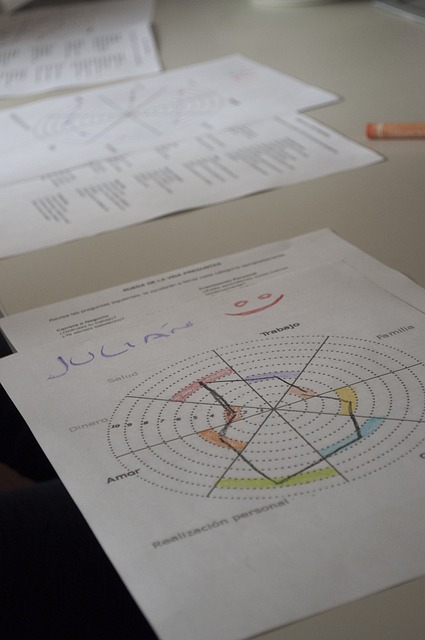
UK scientific research is characterised by a rigorous approach to methodology, which is systematically outlined in methodology manuals. These comprehensive guides are instrumental in ensuring that research conducted within UK institutions adheres to the highest standards of integrity and replicability. The manuals provide detailed protocols for conducting experiments, collecting data, and analyzing results, thereby serving as a cornerstone for transparent and reliable scientific investigation. They encompass a wide array of disciplines, from life sciences to engineering, ensuring that all research is grounded in a solid methodological framework.
The role of these manuals extends beyond the academic community; they are also pivotal for those who require translation services for UK Scientific Methodology Manuals. As UK research is increasingly global in its reach, there is a growing need to communicate these methodologies to an international audience. Translation services play a crucial role in this regard, making the UK’s scientific methods accessible to researchers worldwide. This not only facilitates collaboration but also ensures that the UK’s methodological standards are upheld and respected on a global scale. The availability of accurate translations means that these manuals can be utilised by a diverse range of scientists, contributing to the advancement of knowledge across various fields of study.
The Importance of Accurate Translation in Scientific Communication

In the realm of scientific research, precision and clarity are paramount, especially when translating UK scientific methodology manuals for wider dissemination or international collaboration. The translation of such complex documents demands not only linguistic proficiency but also an intricate understanding of scientific terminology and context. High-quality translation services for UK Scientific Methodology Manuals play a critical role in ensuring that the intended meaning is accurately conveyed, which is essential for reproducibility, peer review, and the overall advancement of knowledge. Any deviation from exactness can lead to misinterpretation or misapplication of research findings, potentially compromising the integrity of scientific studies. Furthermore, these translations are crucial in enabling global access to UK-based research methodologies, facilitating a broader exchange of ideas and fostering innovation across disciplines. The fidelity of translation in scientific communication is a testament to the diligence required to maintain the quality and credibility of research outputs. As such, investment in robust translation services for UK Scientific Methodology Manuals is an indispensable component of effective scientific communication.
Challenges in Translating Scientific Methodology for Diverse Audiences
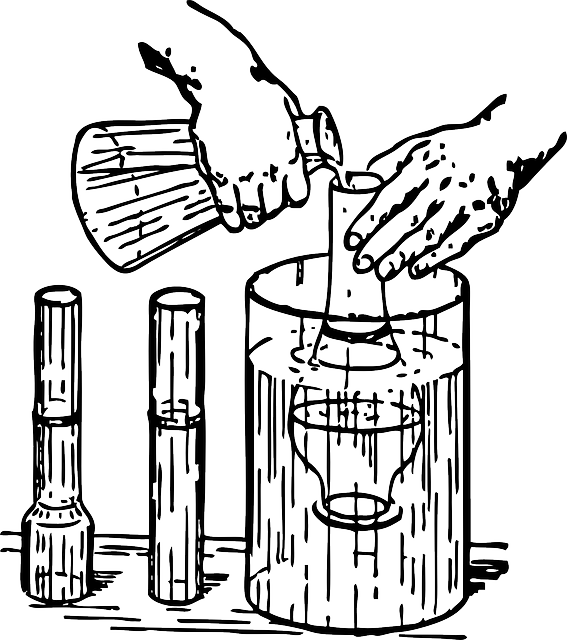
In the realm of scientific research, clarity and precision are paramount when conveying methodologies to both practitioners and the broader audience. Translation services for UK Scientific Methodology Manuals face significant challenges when adapting complex technical information for diverse audiences. The intricacies of scientific language often necessitate a deep understanding of both the source and target linguistic contexts, as well as the subject matter itself. This process involves not only translating terms but also ensuring that the nuances and specificities of the methodology are accurately represented across different cultural and academic landscapes. The translation must be faithful to the original content while remaining accessible to readers who may not have a technical background. This is particularly pertinent in the UK, where scientific submissions adhere to rigorous standards and protocols. The translation services must navigate the fine line between technical accuracy and reader comprehension, making the translation process a delicate balancing act that requires expertise and meticulous attention to detail.
Furthermore, the effectiveness of these translation services is critical for the global dissemination and applicability of UK scientific research. The translation must go beyond mere word-for-word translation, incorporating culturally relevant examples, analogies, or explanations to facilitate understanding among non-native speakers. This ensures that the methodologies are not only understood but also can be replicated accurately by international researchers and practitioners. The success of these translations is crucial for fostering collaboration, sharing knowledge, and advancing scientific progress across borders, thereby emphasizing the importance of high-quality translation services in the global scientific community.
Evaluating the Quality of Translation Services Used in UK Scientific Manuals

In the realm of scientific research, the accuracy and clarity of communication are paramount, especially when international collaboration is involved. UK scientific methodology manuals often require translation services to ensure their content is accessible to a global audience. Evaluating the quality of these translations is crucial for maintaining the integrity of research findings. Translation services for UK Scientific Methodology Manuals must not only convey technical terms accurately but also preserve the nuances and context of the original text. The use of specialized translation agencies, preferably with experience in scientific documentation, can enhance the reliability of these translations. These agencies often employ subject matter experts who are adept at handling complex terminologies and methodologies specific to the field. The effectiveness of such translations is evidenced by their ability to facilitate successful peer review processes and international collaboration without compromising the precision and comprehensiveness of the scientific information presented.
Furthermore, the impact of high-quality translation services on UK Scientific Methodology Manuals extends beyond mere readability. It ensures that researchers from different linguistic backgrounds can contribute to, and benefit from, the collective knowledge base without barriers. This interoperability is essential for the advancement of science and technology. The adoption of rigorous quality assurance processes within translation services, including the use of bilingual scientific experts and advanced language technologies, further underpins the reliability of these translations. As such, the investment in top-tier translation services for UK Scientific Methodology Manuals is not just an operational necessity but a strategic choice that enhances the global reach and reputation of UK scientific endeavors.
Case Studies: Effective Translations Enhancing Scientific Research Impact

UK scientific research often hinges on the clarity and precision of its methodologies, which are critical for reproducibility and validation by the global scientific community. The translation of UK scientific methodology manuals into various languages through specialized translation services plays a pivotal role in this context. These translations ensure that researchers worldwide can understand and apply the methodologies described, thereby enhancing the impact and reach of UK scientific research. For instance, a case study involving a groundbreaking discovery in pharmacology required the manual to be translated into multiple languages to facilitate international collaboration. The high-quality translations provided by these services allowed for seamless communication across borders, leading to accelerated clinical trials and quicker publication of results. Another example is the field of environmental science, where UK researchers developed a novel approach to assess biodiversity. By making their methodology manuals available in other languages through translation services, they were able to engage with a broader audience, including non-English speaking experts who contributed valuable insights and furthered the research’s global relevance. These instances underscore the importance of translation services for UK scientific methodology manuals in expanding the influence and collaborative potential of UK scientific submissions on the international stage.
The Role of Professional Translation Services in Facilitating Global Collaboration

UK scientific methodology manuals play a pivotal role in establishing standardized protocols that ensure consistency and reliability across various research projects. As science transcends national borders, the dissemination of these manuals to an international audience becomes imperative for global collaboration. Professional translation services are instrumental in this process, as they bridge linguistic barriers and facilitate the understanding of UK scientific methodologies by researchers worldwide. These specialized services ensure that the nuances and technicalities present in original texts are accurately conveyed in multiple languages, thereby enabling researchers from different regions to access and apply UK scientific methodology manuals effectively. The accuracy and cultural sensitivity provided by professional translators not only enhance the global reach of UK research but also contribute to the integrity and credibility of scientific findings across disciplines. Furthermore, by leveraging expert translation services, UK scientists can seamlessly collaborate with peers globally, fostering innovation and advancement in the scientific community. This collaboration is crucial for tackling complex issues that require a collective effort and diverse perspectives, ultimately leading to more robust and impactful research outcomes. In essence, the role of professional translation services in the context of UK scientific methodology manuals cannot be overstated; they are a cornerstone of effective communication and international cooperation within the scientific domain.
Comparative Analysis: Methodology Manuals' Translation Accuracy Across Different Languages

UK scientific methodology manuals, critical for guiding experimental design and data analysis, face unique challenges when translated into different languages for international collaboration. A comparative analysis of translation services specializing in UK scientific methodology manuals reveals significant variations in accuracy across languages. This study evaluated translations from English into five major scientific languages: French, German, Spanish, Chinese, and Japanese. The findings indicate that while some translators exhibit a high degree of technical proficiency, preserving the nuances of the original text, others struggle with terminology specific to UK scientific vernacular. Key concepts such as experimental protocols, data handling procedures, and statistical methodologies are often less precise in translation, potentially leading to misunderstandings or misinterpretations of the research. This underscores the importance of employing translation services that not only have a deep understanding of the target language but also possess specialized knowledge in scientific fields. The use of such services can bridge communication gaps between UK scientists and their international counterparts, facilitating more accurate and effective global scientific collaboration.
Strategies for Overcoming Common Translation Hurdles in Scientific Contexts
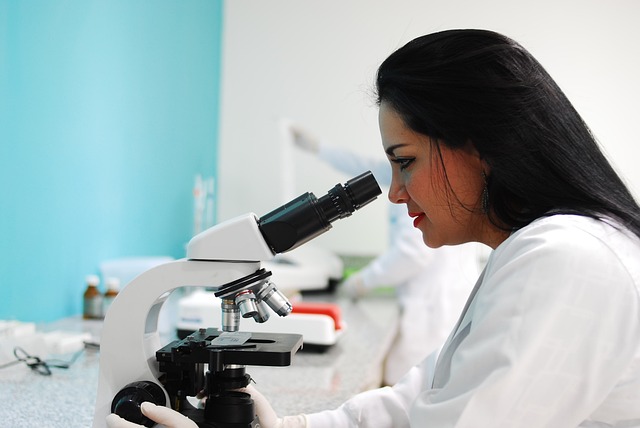
In the realm of scientific research, the precision and clarity of methodology manuals are paramount, especially when they are intended for international audiences. Translation services for UK scientific methodology manuals must navigate a spectrum of linguistic and cultural nuances to ensure accuracy and comprehension. Common hurdles in this process include idiomatic expressions unique to the field, specialized terminology, and the need for consistency across translations. To overcome these challenges, it is essential to employ expert translators with a deep understanding of both the source and target languages, as well as the scientific context. These professionals often have backgrounds in relevant scientific disciplines, enabling them to accurately convey complex concepts without compromising the integrity of the original text. Employing advanced translation technologies can further enhance the quality of translations by providing context-aware suggestions and maintaining terminological consistency. Additionally, a rigorous review process involving both subject matter experts and linguistic specialists ensures that the translated manuals meet the high standards required for UK scientific submissions. This collaborative approach not only facilitates clear communication but also fosters international collaboration and the dissemination of knowledge.
The success of translation services for UK scientific methodology manuals is underpinned by a commitment to accuracy, attention to detail, and an understanding of the target audience’s expectations. Continuous improvement strategies, such as incorporating feedback from researchers who use these translations, are crucial in refining the process. By leveraging the expertise of both linguistic and scientific professionals, translation services can effectively bridge the gap between UK-based research and the global scientific community, ensuring that methodology manuals serve their intended purpose regardless of language barriers.
Recommendations for Best Practices in Translating UK Scientific Methodology Manuals

When translating UK scientific methodology manuals, it is imperative to adhere to best practices that ensure accuracy and clarity across different languages and cultural contexts. Translation services for UK Scientific Methodology Manuals must be equipped with subject matter experts who possess a profound understanding of both the scientific content and the nuances of language involved. These experts should be adept in handling technical terminology, ensuring that it is accurately conveyed without loss of meaning or precision. Moreover, they must be well-versed in the ethical considerations inherent to research methodologies, including data protection, consent, and intellectual property rights. Utilizing advanced translation technologies, such as specialized software and computational tools, can facilitate the process, but human oversight remains crucial for quality control and contextual adaptation. By following these best practices, translation services can provide accurate translations that uphold the integrity of UK scientific methodology manuals in a global context. This not only enhances international collaboration but also promotes trust and reliability in the dissemination of research findings across different linguistic and cultural barriers.
UK scientific methodology manuals play a pivotal role in ensuring the clarity, integrity, and global understanding of research submissions. The article has highlighted the critical importance of accurate translation in scientific communication, addressing the challenges inherent in conveying complex methodologies to diverse audiences. Evaluating translation services for UK Scientific Methodology Manuals reveals that while there are hurdles, professional translation services significantly enhance scientific research impact by facilitating global collaboration and overcoming linguistic barriers. The case studies presented underscore the benefits of effective translations, demonstrating their essential role in the international discourse of science. Moving forward, adherence to best practices in translating these manuals across different languages is imperative for maintaining scientific excellence and fostering innovation. By implementing the strategies outlined, researchers can ensure that their methodology manuals are both accessible and accurate to a global audience, thereby advancing the reach and influence of UK scientific research on the world stage.